
Loading...
Serving Tacoma, WA and surrounding areas. (253) 354-9370
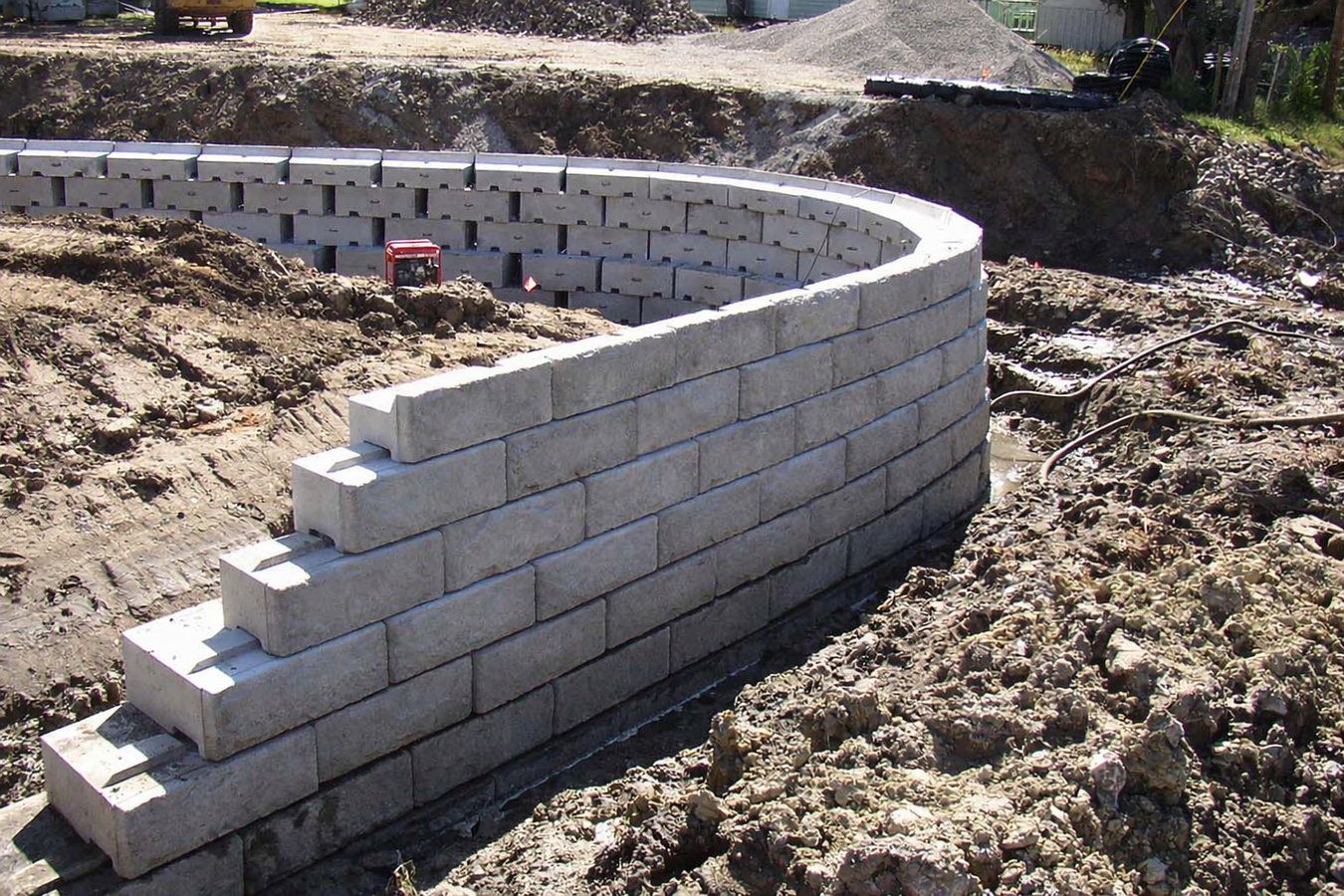
Tacoma Concrete Company builds concrete retaining walls, driveways, patios, and foundations for Seattle homeowners on sloped and hillside lots. We understand the city's clay soils, permit requirements, and wet winters - and we reply within one business day.
Designed for Seattle's sloped terrain, clay soils, and mature housing stock.
Seattle's hillside neighborhoods - Capitol Hill, Queen Anne, Beacon Hill, and the Rainier Valley - have a high concentration of sloped lots where soil erosion and grade management are ongoing concerns. A properly built concrete retaining wall with drainage integrated from the start holds soil in place through Seattle's heavy wet seasons and does not rot or shift like timber alternatives.
Seattle driveways on sloped lots have to manage drainage as well as surface wear. A concrete driveway installed with the right grade sheds water away from the garage and foundation, eliminating the pooling that accelerates freeze-thaw damage on poorly drained asphalt driveways throughout Seattle neighborhoods.
Seattle summers from late June through September are some of the best outdoor living weather in the country. A properly drained concrete patio on a gravel base holds up through the long rainy season and gives you a clean, level surface when the dry months return. We grade every slab away from the foundation so rain moves off the surface quickly.
Detached garages, ADUs, and accessory structures across Seattle require slab foundations built to handle local soil and drainage conditions. We assess the site before quoting, so the base depth and gravel layer fit what your specific Seattle lot actually needs.
Seattle property owners are responsible for maintaining sidewalks adjacent to their lots. Tree root damage is a major cause of cracked and heaving panels throughout Seattle's mature urban neighborhoods. We remove damaged sections, address root intrusion where possible, and pour replacement panels to current Seattle DOT standards.
Deck additions and outbuildings on Seattle's hillside lots need footings dug to proper bearing depth in stable, undisturbed soil. On sloped properties with clay-heavy ground, shallow footings heave seasonally and shift whatever is built above them. We assess the soil and slope conditions before recommending footing depth.
Seattle's housing stock spans more than a century, from Victorian-era homes in Capitol Hill and Queen Anne to mid-century construction in the Rainier Valley and newer infill throughout the city. The oldest neighborhoods - dating from the 1890s through the 1940s - have original concrete driveways, sidewalks, and retaining walls that have absorbed decades of Puget Sound winters without significant updates. Sloped terrain across much of the city means water management is a constant consideration: a poorly graded driveway or an improperly drained retaining wall will fail faster in Seattle's climate than in a flat, drier city.
Seattle averages 37 to 40 inches of rain per year, concentrated from October through April. The clay-heavy soils throughout most of the city expand with that winter moisture and contract through the dry summer - a cycle that puts continuous stress on concrete poured on an inadequately prepared base. The Seattle Department of Construction and Inspections has permit requirements for retaining walls, driveways, and foundation work that a qualified contractor must navigate as part of any project here. Seattle's permit process takes longer than in smaller jurisdictions, so planning ahead matters.
Our crew works throughout Seattle regularly, and we understand the local conditions that shape concrete work across the city. We pull permits through the Seattle Department of Construction and Inspections for every project that requires one, and we factor SDCI's processing timelines into every project schedule so clients are not surprised by the wait. Seattle's permitting environment is more involved than in Snohomish or Pierce County, and planning for that is part of doing the job right here.
Seattle's neighborhoods each present different job conditions. Capitol Hill, Queen Anne, and Beacon Hill have steep lots, mature trees, and tight access that require careful planning and equipment positioning. The Rainier Valley and South Seattle have flatter terrain but often older housing and drainage systems that need attention before concrete can go in. North Seattle neighborhoods like Greenwood and Northgate have a mix of postwar homes and newer construction with varying concrete needs.
We also serve homeowners throughout the Puget Sound region, including nearby Everett to the north and Bellevue across Lake Washington. All three cities share similar clay soils and seasonal rainfall patterns, and we apply the same preparation standards across all of them.
Tell us what you need and your Seattle address. We reply within one business day and schedule a free on-site visit - no commitment required.
We visit your property, assess the slope and drainage, check the existing surface and soil conditions, and measure the work area. The written estimate covers every line item - demo, base prep, materials, permit fees, and finish - before work begins.
We handle permit applications with SDCI and schedule the start date around a suitable dry weather window. Seattle's permit review takes longer than in smaller cities - we factor that into the timeline from the first conversation.
We complete the work, pass the city inspection where required, and walk the finished surface with you. Most surfaces are ready for light foot traffic within 48 hours and normal use within a week.
We serve Seattle homeowners from Capitol Hill and Queen Anne to the Rainier Valley and North Seattle. Fill out the form and we will respond within one business day.
(253) 354-9370Seattle is Washington's largest city, with a population of around 750,000, situated between Puget Sound and Lake Washington. The city's geography is defined by hills - Capitol Hill, Queen Anne, First Hill, Beacon Hill, and the seven hills that give it a character unlike flat Midwestern cities - and by water on three sides. That combination of elevation changes and Pacific Ocean moisture patterns produces the wet, mild climate Seattle is known for, with most of the annual rain arriving steadily from October through April rather than in intense summer thunderstorms.
The city's concrete needs are as varied as its neighborhoods. Capitol Hill and Queen Anne have Victorian and Craftsman homes whose original concrete driveways and retaining walls date back to the early 1900s. The Central District and Rainier Valley have postwar housing that is now old enough to show significant wear. North Seattle neighborhoods built in the 1960s through 1990s are entering the range where driveways and garage floors commonly need replacement. Homeowners in Kirkland and Renton face similar soil conditions and housing ages and often have comparable concrete needs.
Call Tacoma Concrete Company for a free on-site estimate. We serve Seattle and the greater Puget Sound region.