Loading...
Serving Tacoma, WA and surrounding areas. (253) 354-9370
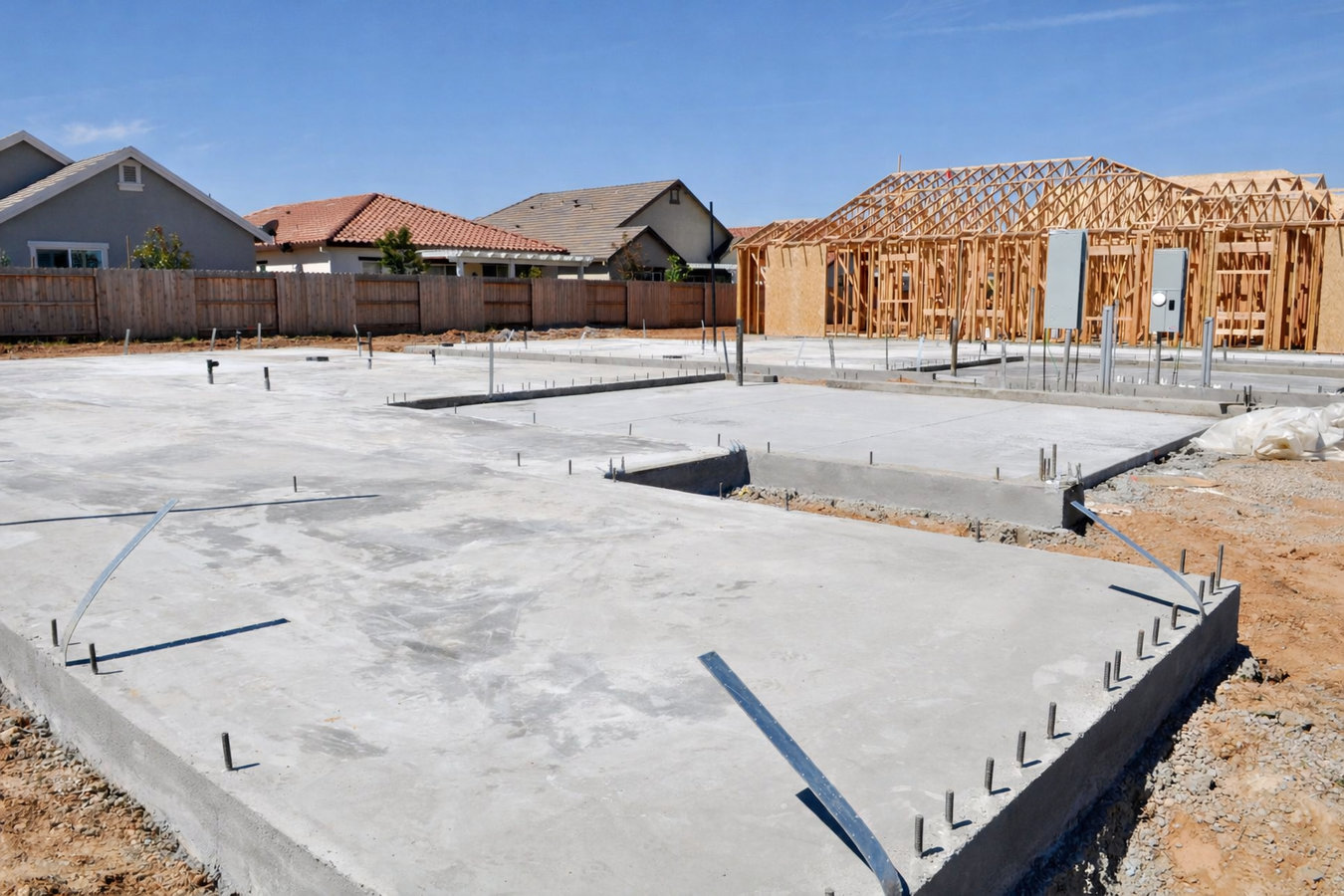
Everything above ground depends on what is below it. We install concrete foundations in Tacoma with seismic reinforcement, proper waterproofing, and a soil assessment before we quote - so the structure you build on top stays level and dry for decades.
Foundation installation in Tacoma means excavating to the required depth, building forms and placing steel reinforcement, pouring concrete walls that carry the full weight of your home, waterproofing the exterior, and backfilling with drainage material - most projects take one to three weeks from the first day of digging to a city-inspected foundation ready for framing.
Your foundation is the structure that transfers the entire weight of your house into the ground - everything visible above grade depends entirely on what is buried below it. In Tacoma, where clay-heavy soils shift with seasonal moisture and the region sits near active fault zones, the specifics of how a foundation is designed and built matter more than they do in most other parts of the country. Alongside full foundation walls, we also pour the slab foundations that often accompany new construction projects.
A large share of Tacoma's residential neighborhoods - Hilltop, North End, Stadium District, Proctor - were built before 1950. Many of those homes still sit on original foundations that were never designed for today's earthquake or drainage standards. If you are renovating an older Tacoma home, a foundation assessment early in the planning process is one of the most important steps you can take before committing to any budget.
If doors or windows have started dragging, sticking, or no longer latch the way they used to, the frame of your house may be shifting. This is one of the earliest visible signs that the foundation beneath your home is moving or settling unevenly. It is easy to dismiss as a minor annoyance, but it is worth having a professional assess before the problem gets worse.
Hairline cracks in drywall are common, but diagonal cracks that radiate from the corners of window or door frames are different. These patterns often indicate part of your foundation is sinking or shifting unevenly. In Tacoma's older neighborhoods, where many homes sit on original foundations from the early 1900s, this is a warning sign worth taking seriously rather than patching over.
Tacoma's rainy winters put constant pressure on foundation walls. If water seeps along the base of basement walls, puddles form in your crawl space, or a musty smell appears after heavy rain, your foundation waterproofing may have failed. Left unaddressed, this moisture leads to mold, wood rot, and structural damage that compounds every wet season.
Many Tacoma homes built before 1960 have foundations that were not designed to meet current earthquake safety or drainage requirements. If you have never had a professional look at your foundation - especially before a renovation or sale - scheduling an assessment early is far less expensive than discovering a significant problem midway through construction.
We install poured concrete foundations for new homes, major additions, and replacement projects throughout Tacoma and the South Sound. Every project begins with a soil and lot assessment - because foundation pricing that does not account for your specific ground conditions is not reliable, and Tacoma's geology varies meaningfully from one neighborhood to the next. We pull the required building permit, coordinate the city inspector visit, and deliver a documented, inspected foundation before we hand off to framing. For new construction projects, we often pair foundation walls with a concrete parking surface or driveway that ties into the same project budget and schedule.
Our foundation walls are poured concrete - a single solid wall with no seams, which is stronger and more water-resistant than older concrete block construction common in Tacoma's mid-century housing stock. The exterior is waterproofed with a membrane coating before backfilling, and drainage material is placed around the base to direct water away from the walls. Rebar is embedded throughout the walls to meet Washington State's seismic reinforcement requirements - not as an optional upgrade, but as a standard part of every pour.
For builders and homeowners starting a new single-family home who need a fully permitted, inspected foundation with seismic reinforcement and waterproofing ready for framing.
Best for Tacoma homeowners with failing, cracked, or water-damaged original foundations - particularly common in pre-1950 homes in Hilltop, North End, and Stadium District.
For homeowners adding living space who need the new foundation to tie in correctly with the existing structure and pass city inspection as part of an addition permit.
For properties near Tacoma's waterfront, Tideflats, or lower-elevation neighborhoods where fill or soft ground requires deeper excavation or additional soil stabilization before a standard foundation can be poured.
Tacoma's position in the Pacific Northwest creates three overlapping challenges that any foundation contractor here has to account for. First, the soil. Much of Tacoma sits on glacially deposited material - a mix that includes significant clay in many neighborhoods. Clay holds water through the rainy season and expands, then shrinks in summer. That cycle stresses foundation walls over time, and a foundation poured without accounting for local soil is one that will show cracks within a few years. Parts of Tacoma near the waterfront and Tideflats sit on fill soil that can shift or settle, requiring deeper or more extensive preparation. Homeowners in Auburn and Renton face similar soil variability, and we bring the same site-first assessment approach to every project across the region.
Second, seismic risk. Tacoma sits in the zone affected by the Cascadia Subduction Zone, one of the most significant fault systems on the West Coast. Washington State building code requires foundation reinforcement designed for ground movement - more steel, more specific connection details - and a city inspector verifies this before any backfilling happens. Third, rainfall. Tacoma averages around 38 inches of rain per year, with the heaviest months from October through March. Waterproofing the exterior of your foundation walls is not optional in this climate - it is the difference between a dry basement and one that takes on water during the first big storm of the season. You can learn more about how earthquake risk shapes local building requirements at the Pierce County Geologic Hazard Areas page.
We visit your property before quoting. Tacoma's soil conditions and lot grades vary too much for a reliable phone number. You will hear back within one business day of your first contact, and the estimate we deliver includes permit fees and site-specific conditions.
We apply for the required building permit through the City of Tacoma's Planning and Development Services office. Plan review typically takes one to three weeks - we handle all of the paperwork so you do not have to navigate the permitting process yourself.
Once the permit is approved, the crew excavates to the required depth, builds the forms that shape the foundation walls, and places steel reinforcing bars throughout. This phase involves heavy equipment and typically moves quickly once it starts.
Concrete is poured and the walls cure for 24 to 48 hours before forms come off. A city inspector verifies the work meets local standards, the exterior is waterproofed, drainage material is placed around the base, and the crew backfills and cleans up the site.
No high-pressure sales - we visit your lot, assess your soil and slope, and give you a written estimate with permit fees included. You will hear from us within one business day.
(253) 354-9370Tacoma's ground conditions vary significantly across neighborhoods - fill soil near the waterfront, clay-heavy glacial deposits in the North End, and variable material across the South End. We visit your lot and assess what is actually underfoot before giving you a number, because a quote without that context is not reliable.
Every foundation we install goes through Tacoma's permit and inspection process - no exceptions. A city inspector signs off before any backfilling happens, giving you documented proof the foundation meets local standards. This matters when you sell your home or file an insurance claim years from now.
Washington State sits near the Cascadia Subduction Zone, and Tacoma's building code reflects that risk. Steel reinforcement is embedded in every foundation we pour - not offered as an upgrade. The Washington DNR documents Tacoma's seismic hazard in detail - our foundations are built to those standards.
Tacoma averages 38 inches of rain per year. A foundation without proper exterior waterproofing will leak in this climate - usually within the first few rainy seasons. We apply a waterproof membrane to foundation wall exteriors and install drainage material around the base as part of every standard project, because omitting these steps is not a cost saving in a wet climate.
Foundation work is the one part of your home where cutting corners shows up years later - in cracks, water intrusion, or a failed inspection when you try to sell. We build foundations in Tacoma that are documented, inspected, and built to last in the specific conditions of this region.
Poured concrete parking surfaces for residential and commercial properties, often coordinated with new construction foundation projects.
Learn MoreFlat slab-on-grade foundations for garages, ADUs, and home additions - a cost-effective alternative to full structural foundation walls.
Learn MoreTacoma's dry-season booking window fills fast - contact us now so we can assess your lot, pull your permit, and get your build date locked in before summer slots are gone.