Loading...
Serving Tacoma, WA and surrounding areas. (253) 354-9370
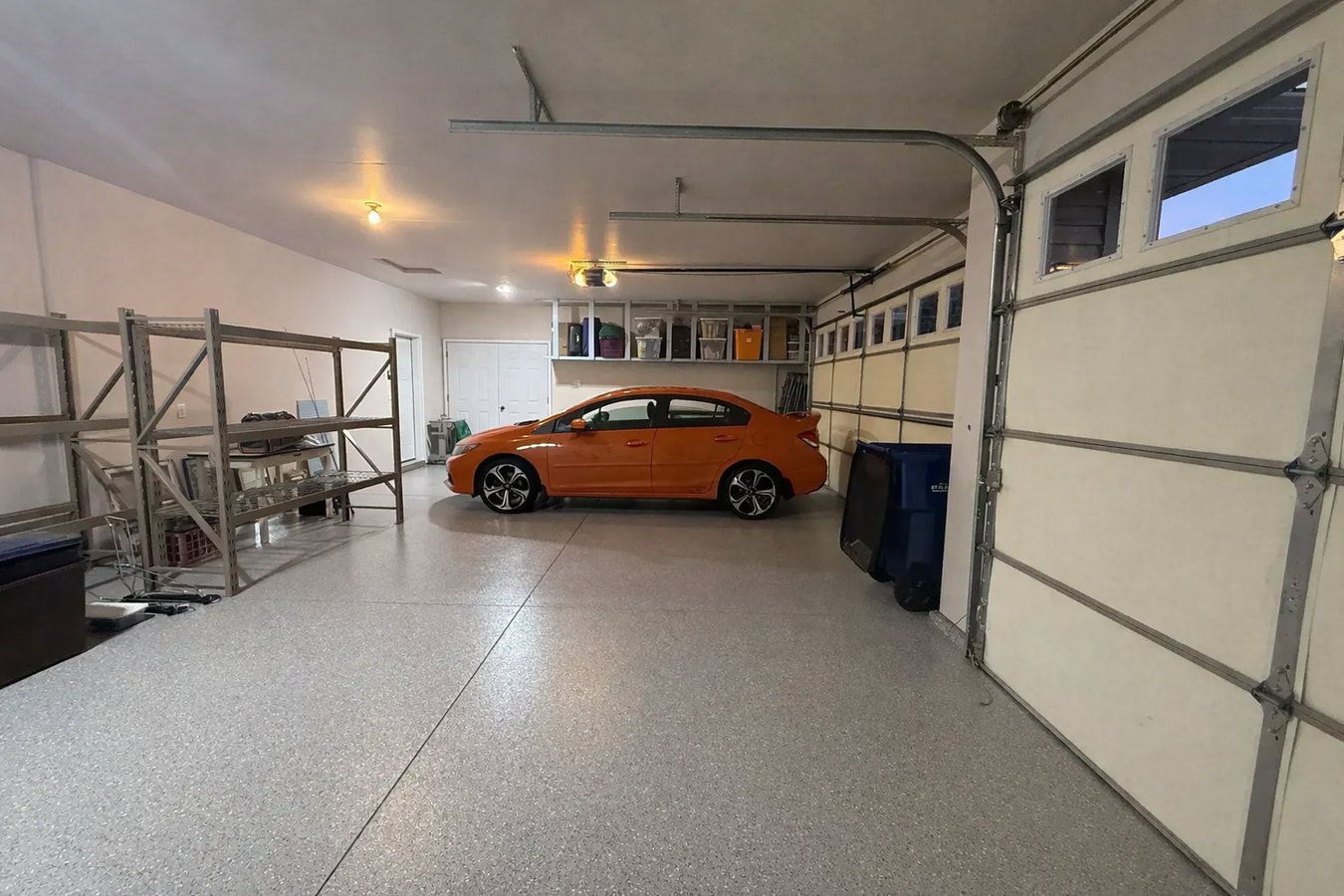
A cracked, damp, or crumbling garage floor is more than an eyesore. We pour new concrete slabs with proper moisture barriers, correct drainage slope, and the subgrade prep that makes the difference between a floor that holds up and one that cracks again in five years.
Garage floor concrete in Tacoma means removing the old slab, preparing the ground underneath, and pouring fresh concrete - most two-car garage jobs are complete in one pour day, with full use of the space restored within a week for foot traffic and a month for vehicles, the same standard you should expect from any reputable garage floor concrete provider in the region.
If your current garage floor is cracking, holding water, or smelling damp, the problem is almost always beneath the surface. Tacoma garages - especially in homes built before 1970 - were often poured without moisture barriers or adequate slope toward the door. We also offer concrete floor installation for interior spaces that need the same quality of work inside your home.
We handle everything from demolition and hauling to the pour, finishing, and permit coordination with the City of Tacoma. You empty the garage; we take care of the rest.
Small hairline cracks are normal. But if you see cracks wide enough to fit a pencil tip, or cracks that have been patched before and keep reopening, the slab itself is failing. In Tacoma, this pattern is especially common in mid-century homes where the original slab was poured thin and without proper soil preparation.
If you notice puddles forming on your garage floor during or after Tacoma's rainy season, your floor is not draining properly. This usually means the slab was poured without the right slope toward the door, or settling has created low spots. Standing water leads to slippery surfaces, rust on stored items, and eventually mold - all problems that get worse the longer you wait.
Walk slowly across your garage floor and notice any spots that feel slightly springy or sound hollow when you tap with your heel. This usually means the soil underneath has shifted, leaving the slab unsupported in places. Tacoma's clay soils are particularly prone to this kind of movement, especially near garage doors where water runoff concentrates.
A chalky white residue on your concrete surface is a sign that moisture is moving up through the slab from the ground below. This is common in Tacoma garages built without a moisture barrier - standard in many mid-century homes. If the smell or deposits persist even in dry summer months, the problem is coming from below the slab, not from surface condensation.
Most garage floor jobs start with a full tear-out of the existing slab - we handle demolition, haul away the debris, and prepare the ground below before any concrete is poured. Proper subgrade compaction is the step that determines how long your new floor holds up. We also install a moisture barrier beneath every slab to keep groundwater out, which is a critical detail for older Tacoma homes. If you want a finished surface beyond plain concrete, we also offer decorative concrete options including sealers and coatings that protect the surface and make cleanup easier.
Every pour is finished with a deliberate slope toward the garage door so water drains out instead of pooling inside. We coordinate the building permit with the City of Tacoma and schedule the inspection, so you get a clean record of the work when you need it.
Best for floors with recurring cracks, significant settling, or moisture problems - a complete tear-out and fresh pour with modern prep standards.
For garages with dirt floors or deteriorated surfaces beyond repair - a ground-up pour with proper vapor barrier and drainage slope from day one.
Ideal for homeowners who want a surface that resists oil stains and moisture - sealers and epoxy coatings applied after full curing.
For homeowners who want a clean record for resale - every applicable project goes through the City of Tacoma permit and inspection process.
A large share of Tacoma's residential neighborhoods - including Hilltop, the North End, and the South End - have homes built in the 1940s through 1960s. Many of those original garage slabs are now 60 to 80 years old, poured thin and without the moisture barriers or drainage slope that modern work requires. Tacoma's clay-heavy soils compound the problem: the ground expands when wet and contracts when dry, putting constant stress on slabs from below. By the time a homeowner notices cracking or dampness, the slab has usually been failing for years.
Tacoma averages around 38 inches of rain per year, with the heaviest rainfall from October through March. A garage floor that holds water - or lets moisture wick up through the slab - becomes a year-round problem in this climate. We work across the city and into surrounding communities, including Lakewood and Puyallup, where the same soil and weather conditions drive the same issues.
Call or fill out the contact form and we will get back to you within one business day. We ask about your garage size and current floor condition before scheduling an in-person estimate - because site conditions affect price, we do not quote over the phone.
We visit your property, assess the existing slab, and check drainage and soil conditions. You receive a written estimate that breaks out every part of the job - demolition, prep, the pour, and cleanup - so there are no surprise line items later.
We apply for the City of Tacoma permit before any work begins. On prep day, the crew removes the old slab, hauls away debris, and grades and compacts the ground below. You will need to empty the garage completely beforehand.
The pour happens in a single day. The city inspector visits within a few days. You can walk on the floor after 24 hours and park on it after a week. We walk through the finished work with you before we consider the job done.
Written estimate, no pressure. We pull the permits and handle the whole job.
(253) 354-9370Every slab we pour includes a vapor barrier between the ground and the concrete - a step often skipped in older Tacoma construction. That barrier is what keeps groundwater from wicking up through the slab and creating the damp, musty conditions that make garages unusable.
The ground beneath a slab matters as much as the concrete itself. We compact and grade the subgrade before every pour to account for Tacoma's clay-heavy soils. Skipping this step is the main reason garage floors in older Tacoma homes crack and settle within a few years of being replaced.
Unpermitted slab work is one of the most common complications that comes up during a Tacoma home sale. We pull every required permit through the City of Tacoma, schedule the inspection, and leave you with a clean paper trail. You can verify contractor licensing at any time through the Washington State Department of Labor and Industries.
Every floor we pour is graded with a deliberate slope toward the garage door so water moves out - not in. In Tacoma's wet climate, a floor that holds water is a floor that develops mold, rust, and slippery patches every rainy season. Proper slope is far easier to build in during the pour than to fix afterward.
These are not marketing promises - they are the steps that separate a garage floor that holds up for decades from one that needs patching again in a few years. We work this way on every job because shortcuts in concrete work show up eventually, and we would rather not get a call back for the wrong reason.
The American Concrete Institute and the Portland Cement Association publish guidance on concrete mix quality, curing standards, and floor construction best practices.
Add color, texture, or a protective coating to your new garage floor once it has fully cured.
Learn MoreInterior concrete floor work for basements, workshops, and living spaces inside your home.
Learn MoreSpring booking slots fill fast - lock in your date before the rainy season closes the window for the year.