Loading...
Serving Tacoma, WA and surrounding areas. (253) 354-9370
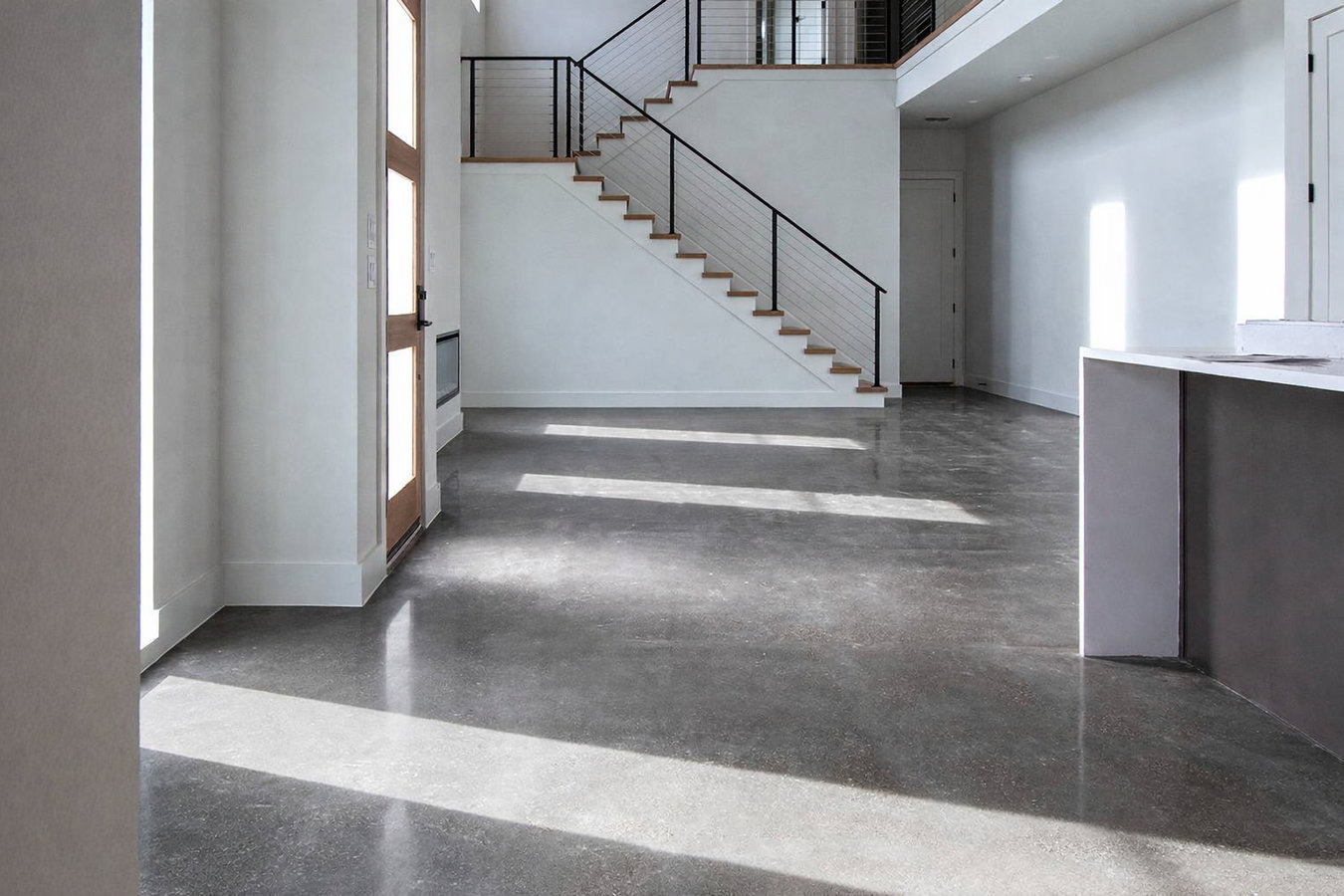
A cracked, damp, or uneven concrete floor is more than an eyesore - it is a sign the original slab was not built right. We install concrete floors with proper base prep, vapor barriers, and correct curing so the floor you get stays dry and solid through every Tacoma winter.
Concrete floor installation in Tacoma starts with removing whatever is there now, then preparing a stable, compacted base before the concrete is poured - most residential projects take one to three days of active work, plus at least 24 to 48 hours before the floor can be walked on and about a week before heavy items can go back in.
In Tacoma's older neighborhoods - Hilltop, North End, South End - many homes have original slabs from the 1940s and 1950s that have shifted, cracked, or thinned over the decades. A floor that was fine when your home was built may now have low spots where water pools, cracks wide enough to catch your foot, or moisture working its way up from the ground below. If the slab is past the point of patching, a full replacement is the clean fix. We also offer garage floor concrete as a focused service when the work is confined to an attached or detached garage.
The step most homeowners underestimate is base preparation. What is under the slab - how well the soil is compacted, whether there is gravel for drainage, and whether a vapor barrier is in place - determines how well the floor holds up over time. Skipping or rushing that step is the most common reason a new floor shows cracks within a few years.
Small hairline cracks are normal and usually not a problem. But if you can slide a coin into a crack, or if cracks are spreading across a large area, the slab has likely shifted or settled in a way that will only get worse. In Tacoma's older neighborhoods, this kind of settling is common in homes where the original slab was poured on unstable or poorly compacted ground.
Tacoma gets a lot of rain, and if your basement or garage floor shows wet patches or white chalky deposits after a storm, moisture is working its way up through the slab. This is a sign the existing concrete no longer has adequate moisture protection - and it will get worse over time, especially during the wet season.
If you place a marble on your floor and it rolls consistently toward one corner, or if a door that used to close easily now scrapes the floor, the slab has shifted. This kind of movement is common in Tacoma homes built before the 1960s, where soil preparation standards were less rigorous than they are today.
If the top layer of your concrete floor is peeling away in chips or flakes, the surface has deteriorated past the point of patching. This often happens in garages where de-icing products have been tracked in over many winters, or in older slabs where the original mix was not strong enough to hold up over time.
Most of our floor projects start with demolition - breaking out the existing slab, hauling the debris away, and then properly assessing what is underneath before anything new goes down. That base assessment is what separates a floor that lasts from one that cracks again within a few years. We compact the subgrade, add gravel where drainage is needed, and install a vapor barrier under every interior slab - because in Tacoma's wet climate, moisture coming up from the ground is a real problem, not a theoretical one. Once the base is right, the concrete is poured, leveled, and finished to whatever surface texture you need. For spaces that will double as living or hobby areas, we can connect you with our concrete pool decks team if your project extends outdoors, since exterior slabs call for slightly different drainage and finish decisions than interior floors.
Finishing options affect how the floor looks and performs day to day. A broom finish gives grip and is the standard choice for garages and utility spaces. A smooth trowel finish looks cleaner and is easier to mop - good for basements and workshops. For homeowners converting a space into something more finished, staining or polishing can turn a concrete floor into an interior surface that looks intentional rather than utilitarian. We discuss finish options during the estimate so the choice is yours before any concrete is ordered.
Best for floors that have shifted, cracked extensively, or lost moisture protection - a clean start with proper base prep and a vapor barrier built in from the first pour.
Ideal for basements being finished, garages being converted, or utility spaces that need a clean, level concrete surface where none currently exists.
A good fit for homeowners converting a garage or basement into a living or workspace - a polished or stained surface that looks finished without the cost of tile or wood flooring on top.
Designed specifically for Tacoma's wet climate - vapor barrier under the slab, drainage-ready base, and scheduling timed to avoid cold or rainy conditions during the pour and curing window.
Tacoma averages around 38 inches of rain per year, most of it falling between October and April. That kind of sustained moisture means the ground under your home stays saturated for months at a time. Concrete is porous, and without a vapor barrier under the slab, that ground moisture will work its way up through the floor - causing damp spots, white chalky staining called efflorescence, and eventually making any flooring you lay on top buckle or peel. This is not an occasional problem in Tacoma; it is something we see in homes across the city, especially in the older neighborhoods of Hilltop, the South End, and parts of the North End. Our Tacoma service area covers all of these neighborhoods, and we assess moisture conditions during every site visit before giving you a quote.
The age of Tacoma's housing stock also plays a role. A large share of homes in the city were built between the 1900s and 1950s, and the subgrade preparation standards from that era - or the lack of them - often show up as unstable or unevenly settled soil under the existing slab. Removing a 70-year-old slab and finding out what is underneath is part of what makes older Tacoma floor projects more complex than newer construction. We also serve homeowners in Olympia, where similar clay soil and rainfall conditions create the same challenges. The Building Science Corporation publishes research on vapor management in slabs - the approach we follow on every interior pour.
When you reach out, we ask a few basic questions - size of the space, what is there now, what you want the finished floor to look like. Then we schedule a site visit before giving you a firm price, because the condition of the base and site access both affect the cost. We respond to new inquiries within one business day.
For most interior floor projects in Tacoma, we pull a building permit through the city before work begins. This adds a few days to the timeline but protects you - it means a city inspector reviews the work. Once the permit is in hand, you get a start date. Clear the space completely before that date.
If there is an existing slab, it gets broken up and hauled away. Then the crew prepares the base - compacting the soil, adding gravel where needed, and laying the vapor barrier. This is the step that most determines how well your floor holds up, so do not be surprised if it takes a full day on its own.
Concrete is poured, leveled, and finished to your chosen texture while still workable. After the pour, the contractor covers the slab or applies a curing compound. Walk on it lightly after 24 to 48 hours, but plan to keep heavy items off the slab for at least a week while strength develops.
We assess your site before we quote, handle the permit process, and do not cut corners on base prep or curing time - written estimate before any work begins.
(253) 354-9370In Tacoma's wet climate, a vapor barrier is not a bonus - it is the difference between a floor that stays dry and one that shows moisture problems within a few years. We install one under every interior slab we pour, standard practice on every job.
In Tacoma's older homes, what is under the existing floor is often unknown until someone looks. We visit your site and assess the base before giving you a price. The number you get is the number you can count on - not a starting figure that grows once work begins.
We pull every required permit through the City of Tacoma, which means a city inspector reviews the work before we close the job. Your floor is on record as done correctly - which matters when you sell your home or make a claim on your homeowner's insurance. City of Tacoma permits are required for most interior concrete work.
Concrete that dries too fast or is loaded too soon before reaching full strength will crack. We follow proper curing protocols - covering or compounding the slab and giving it the time it needs - so the floor you get in month one is the same floor you have in year ten.
Tacoma's combination of wet winters, older housing stock, and clay soils makes concrete floor installation more demanding than in drier parts of the country. We do this work regularly across the city, which means fewer surprises on your project and more confidence in the finished floor.
Outdoor concrete surfaces around pools - slip-resistant finishes and drainage grading designed for Tacoma's wet climate.
Learn MoreFocused garage slab work - full replacement or new pours with the base prep and finishes that hold up under vehicles and tool storage.
Learn MoreOur calendar fills up fast before summer - lock in your start date now and get a floor that handles Tacoma's wet winters from day one.